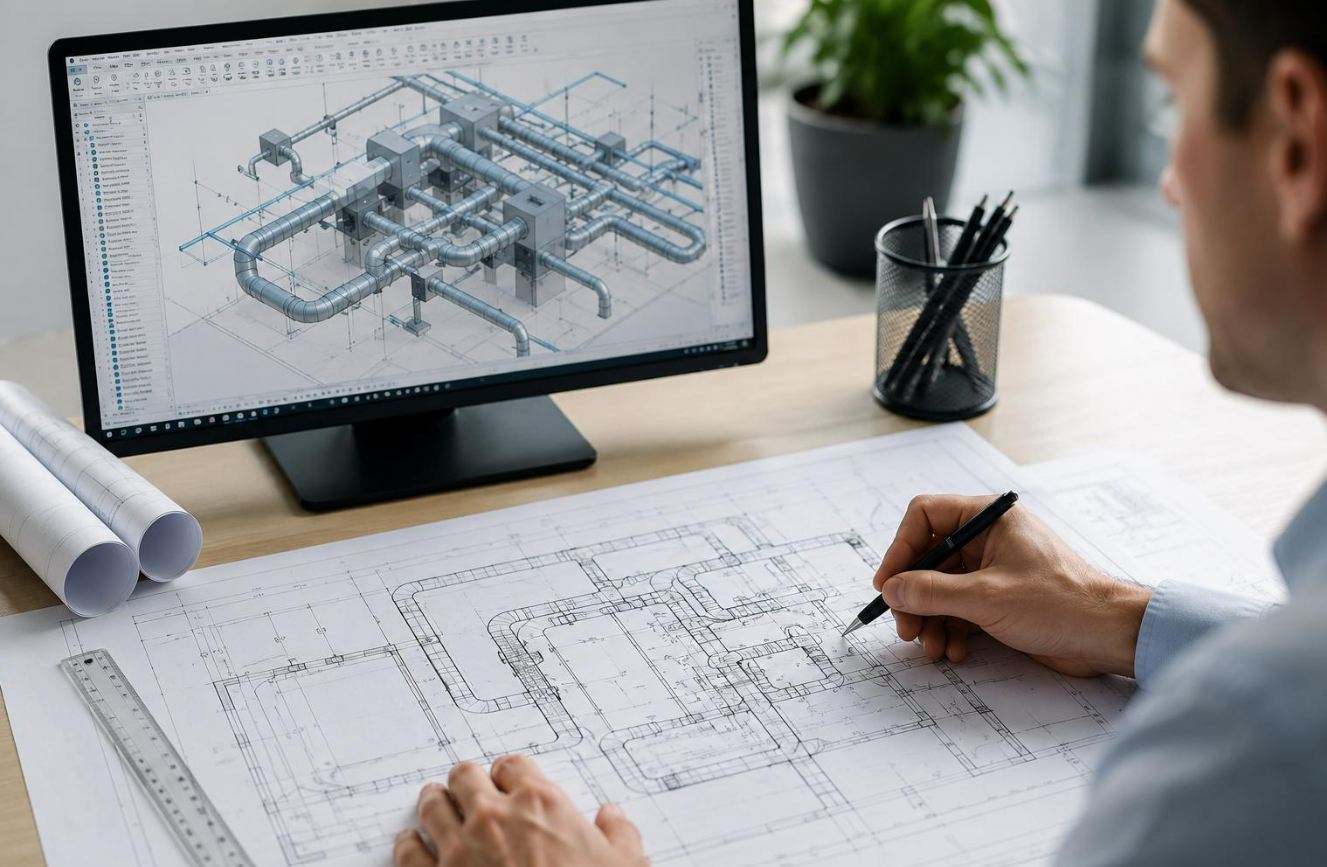
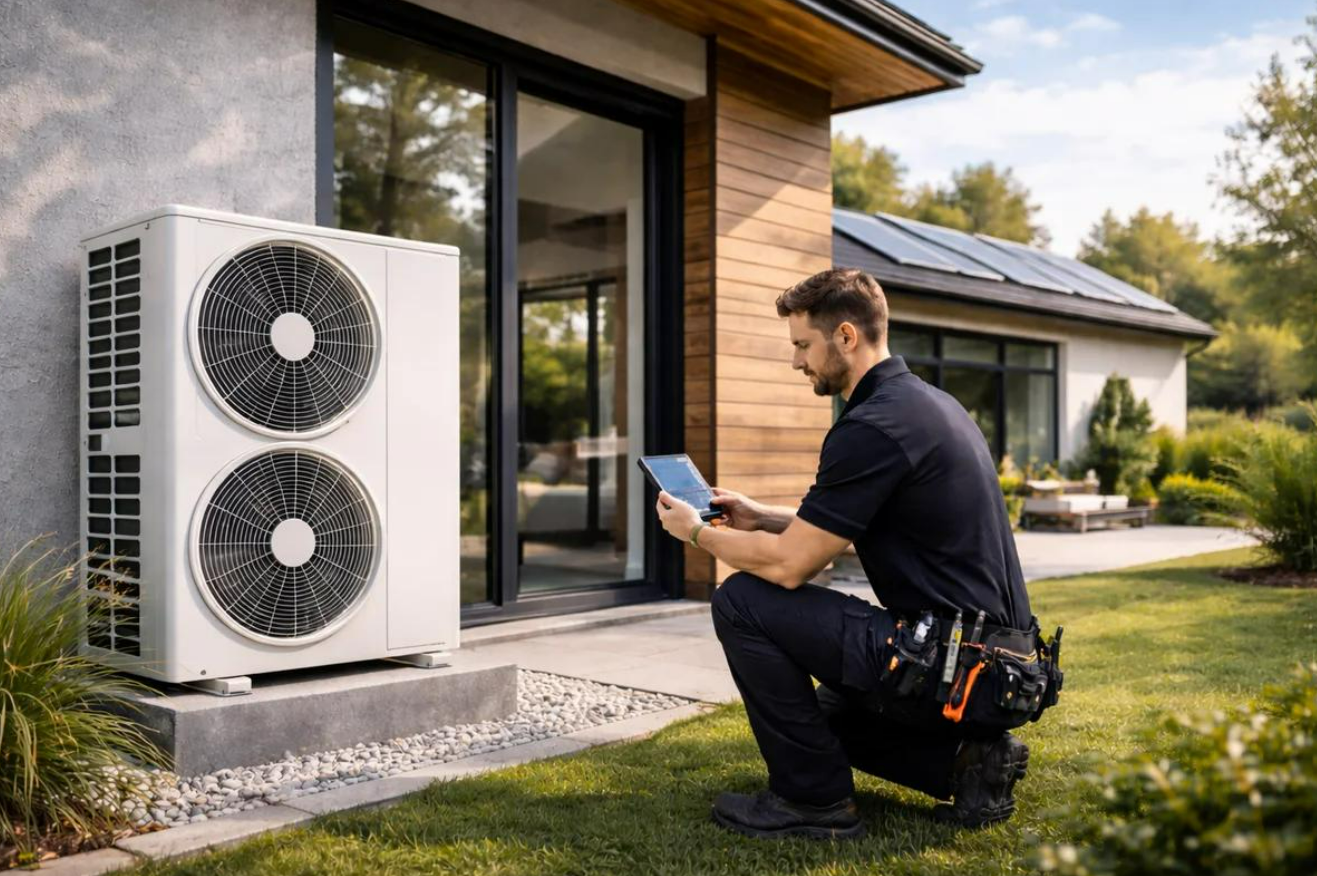

HVAC technician inspecting a modern heating and cooling system
THERMOVA LEBANON

Our Services

Professional Solutions. Lasting Comfort.

From system consultation and installation to maintenance and technical support, explore services designed to keep your heating, cooling, and hot water systems operating efficiently and reliably.

THERMOVA SERVICES

Tools & Resources

Understanding your heating, hot water, and ventilation requirements is an important step toward selecting the right system. Explore useful planning tools and learn how they support informed decisions.

Person washing hands with warm water
01 / HOT WATER PLANNING

DHW Unit Selector

A planning tool that helps estimate domestic hot water requirements, water consumption, and potential energy usage for different applications.

Engineer reviewing building ventilation plans
02 / VENTILATION PLANNING

Ventilation Tool

A useful planning resource for understanding indoor air volume and preliminary ventilation requirements in residential and commercial spaces.

THERMOVA SERVICES

Planning & Engineering

Effective heating, cooling, and ventilation systems begin with careful planning. Explore the technical resources and engineering considerations that help support efficient, reliable, and well-designed building solutions.

Engineer using digital tools for building system planning
01 / SYSTEM PLANNING

Engineering Tools

Digital tools and engineering calculations help evaluate system requirements and support the selection of suitable heating, cooling, and ventilation solutions.

Professional reviewing technical product manuals and specifications
02 / TECHNICAL RESOURCES

Technical Guides & Manuals

Technical documentation provides important information about product specifications, installation requirements, operating procedures, and maintenance considerations.

Engineer reviewing notes and construction planning documents
03 / ENGINEERING KNOWLEDGE

Information & Engineering

Understanding building requirements, installation conditions, and energy performance is essential when planning new projects or modernizing existing systems.

HERE TO HELP

Frequently Asked Questions

Find useful answers about heat pumps, domestic hot water, solar technology and energy efficiency.

Can a heat pump be combined with a solar thermal system? Heat Pumps

Yes. Heat pumps can be combined with solar thermal systems to provide domestic hot water and, depending on the design, support space heating. Solar collectors capture thermal energy while the heat pump supplies additional heating when needed.

A suitable storage cylinder, hydraulic arrangement and compatible controls are important for effective operation.

How can I cool a building with a heat pump? Heat Pumps

A reversible heat pump can provide both heating and cooling by changing the direction of heat transfer. In cooling mode, it removes heat from indoor spaces and releases it outside.

Cooling requires compatible indoor equipment, such as fan coils, and appropriate condensation control. Not every heating-only installation can be used for cooling.

What is defrosting by circuit reversal? Heat Pumps

During cold and humid weather, frost can form on the outdoor coil of an air-source heat pump. Defrosting by circuit reversal temporarily reverses the refrigerant cycle to warm the outdoor coil and melt the frost.

Once defrosting is complete, the heat pump returns to its normal heating operation.

What length of service life can be expected from a solar thermal system? Solar

A properly installed and maintained solar thermal system can often operate for around 20 years or longer. Actual lifespan depends on equipment quality, operating conditions and maintenance.

Components such as pumps, controls and heat-transfer fluid may require servicing or replacement during the system's life.

How do instantaneous water heaters work? Water Heaters

Instantaneous water heaters heat water as it flows through the appliance rather than storing a large quantity of hot water. When a hot water tap is opened, the unit activates its heating system.

The available hot water temperature and flow depend on the unit's capacity, incoming water temperature and flow rate.

What are the advantages of decentralised instantaneous water heaters over centralised DHW systems? Water Heaters

Decentralised heaters are installed close to the point where hot water is needed. This can reduce long hot water pipe runs, distribution heat losses and waiting times.

They can also allow independent control of different outlets. However, the best solution depends on electrical capacity, water demand and building layout.

Are instantaneous water heaters energy efficient and environmentally responsible? Water Heaters

Instantaneous water heaters can reduce standby storage losses because they heat water when it is needed. Point-of-use installation can also reduce distribution losses.

Overall efficiency and environmental impact depend on the model, electricity source, water usage and installation conditions.

Open-loop control or closed-loop control – what is the impact of this on efficiency and convenience? Water Heaters

Open-loop control adjusts heating based on predetermined operating conditions without continuously correcting the actual outlet temperature.

Closed-loop control uses sensor feedback to adjust heating power and maintain the selected temperature more accurately as water flow or inlet temperature changes. This can improve comfort and temperature stability.

What heating systems are used in instantaneous water heaters? Water Heaters

Electric instantaneous water heaters generally use resistance heating elements. Common designs include bare-wire and sheathed heating elements.

Different systems have different technical requirements, including water quality, electrical supply and maintenance conditions. The suitable design depends on the product.

To which product groups does the new Energy Label apply? Energy Efficiency

Energy labelling requirements vary by market and regulation. Under the European Union's ErP framework, relevant product groups include certain space heaters, water heaters and hot water storage tanks.

The label helps compare energy performance within applicable product categories. Requirements for products sold in Lebanon should be checked against local regulations.